Why Mold Remediation Gettysburg PA Residents Trust Local Pros for Lasting Results
If you have ever walked into a basement after a wet spring and caught that musty smell, you know the sinking feeling that follows. Mold does not announce itself with a fanfare. It creeps in along baseboards, behind drywall, and under floor joists. What starts as a small patch can turn into a health concern and a structural headache within weeks. I have seen it happen in homes across Adams County, and I have learned that the difference between a temporary fix and a real solution comes down to how well you understand moisture and the people you call for help.
Mold remediation is not just scrubbing visible spots with bleach. That approach often makes things worse by driving spores deeper into porous surfaces. Real remediation requires a systematic approach that includes identifying the moisture source, containing the affected area, removing contaminated materials, and treating the space so mold cannot return. That is where local knowledge matters. Every region has its own building styles, common problem areas, and climate patterns. In Gettysburg, the combination of humid summers, older homes with stone foundations, and seasonal freeze-thaw cycles creates specific conditions that mold remediators need to understand.
I have worked with homeowners who tried the DIY route first. They bought a spray bottle from the hardware store and thought they had solved the problem. A few months later, the mold came back stronger. That is because surface cleaning does not address the root cause. Mold needs three things to thrive: moisture, a food source like wood or drywall, and the right temperature. Take away the moisture, and the mold stops growing. But if you do not find out why the moisture is there in the first place, you are just buying time. The real work involves tracking down leaks, checking humidity levels, and sometimes opening up walls to see what is happening behind them.
Why Professional Mold Remediation Matters
When I talk to property owners in Gettysburg about mold, the first question is usually about safety. Mold exposure can trigger allergic reactions, asthma attacks, and other respiratory problems. For people with compromised immune systems, the risks are even higher. Professional remediation follows guidelines that contain spores during removal and ensure the area is properly dried and treated afterward. It also involves using the right equipment, like HEPA vacuums and air scrubbers, to capture microscopic particles that household cleaners leave behind.
Another common concern is cost. Some homeowners hesitate to call a professional because they worry about the expense. But I have seen too many cases where a small mold issue turned into a major renovation because it was ignored or handled poorly. The cost of remediation is usually far less than the cost of replacing structural framing, drywall, and flooring later. And when you factor in the potential health costs, the value of doing it right the first time becomes clear. That is why many people search for "mold remediation gettysburg pa" and end up working with a local company that understands the area's building stock and climate.
What the Remediation Process Actually Looks Like
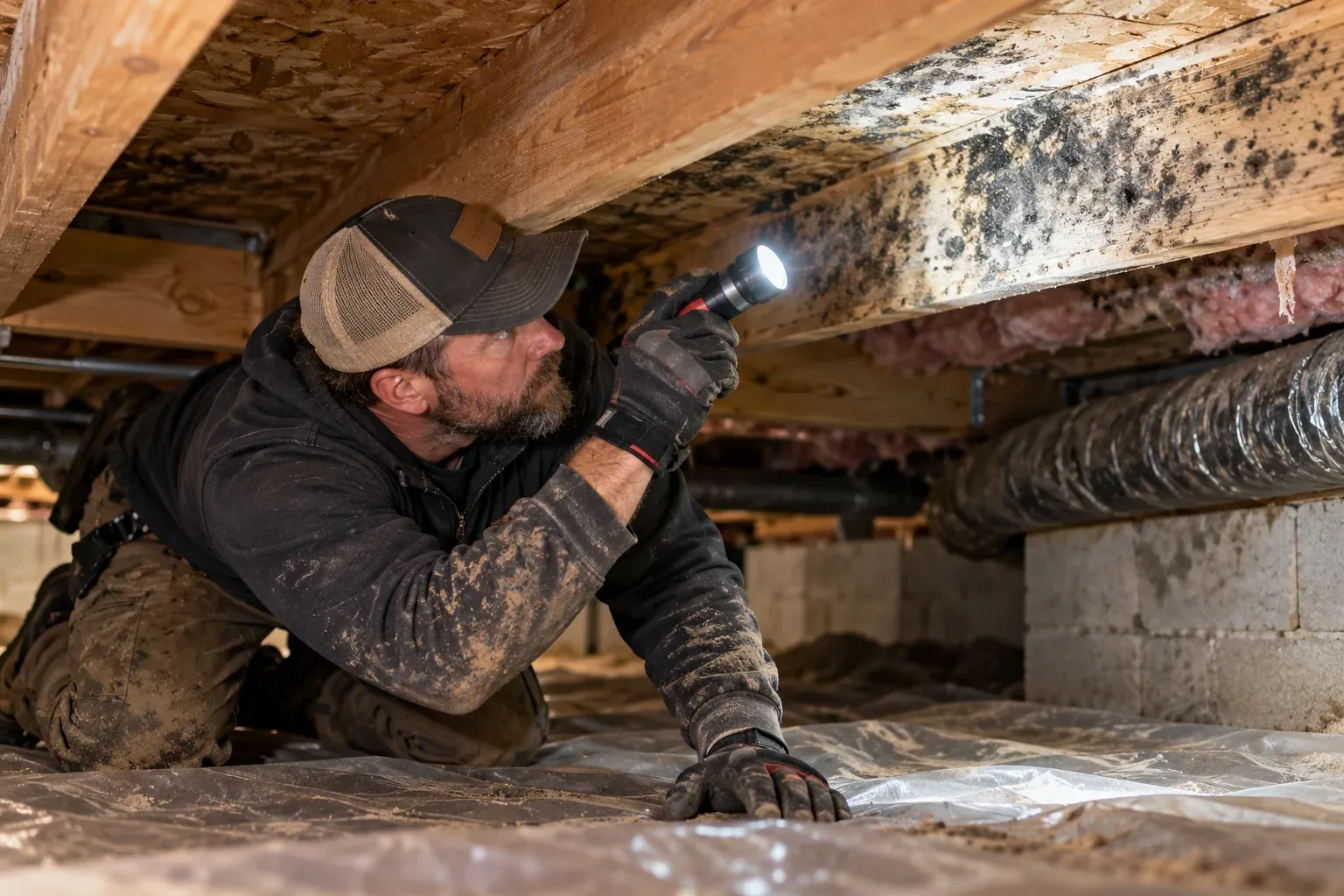
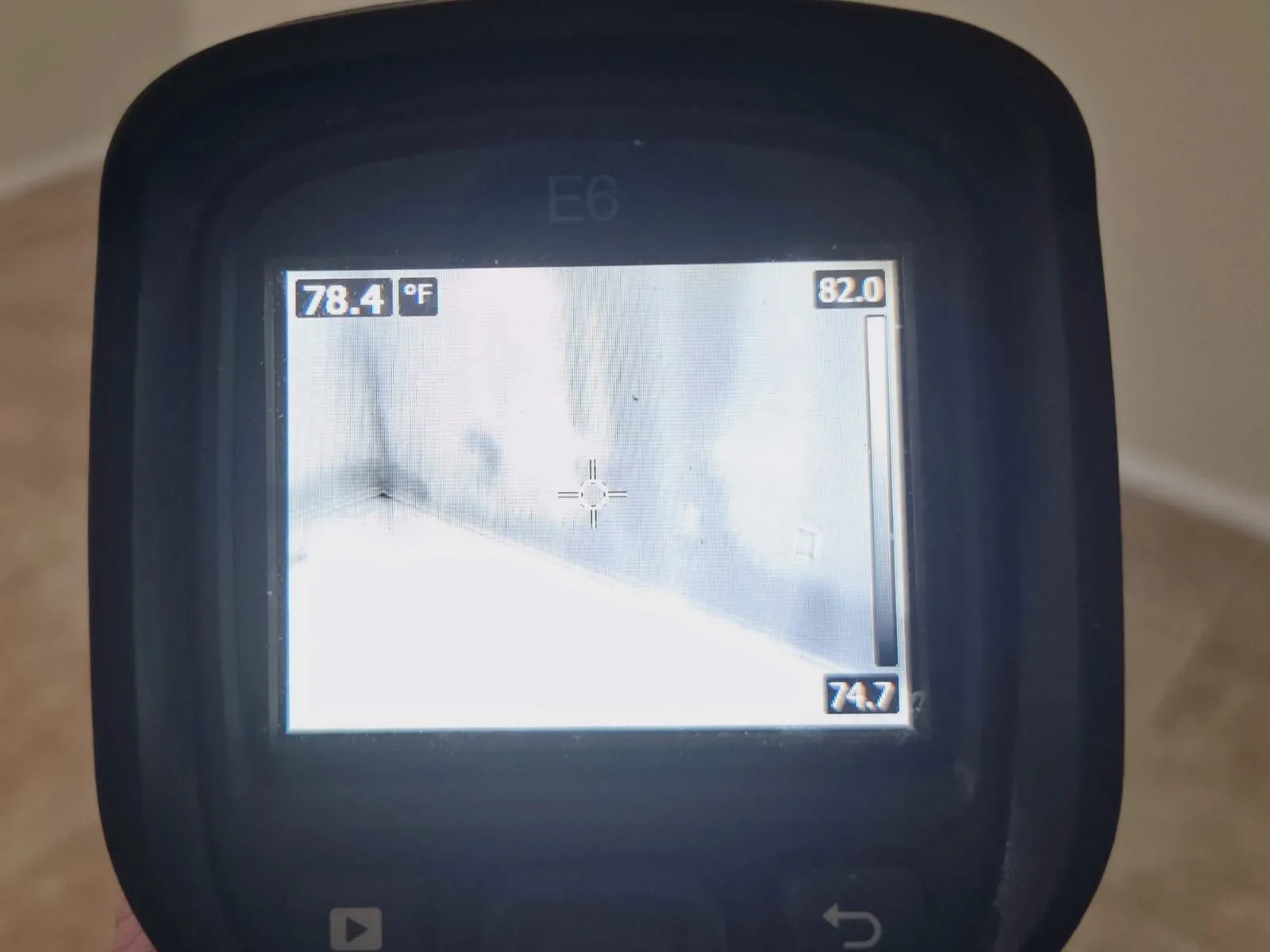
A thorough mold remediation job follows a clear sequence. First comes the inspection. A trained technician looks for visible mold, but also uses moisture meters and sometimes thermal imaging to find hidden problems. They check common trouble spots like crawl spaces, attics, around windows, and under sinks. They also look at the home's ventilation and drainage to find contributing factors. The inspection sets the stage for everything that follows.
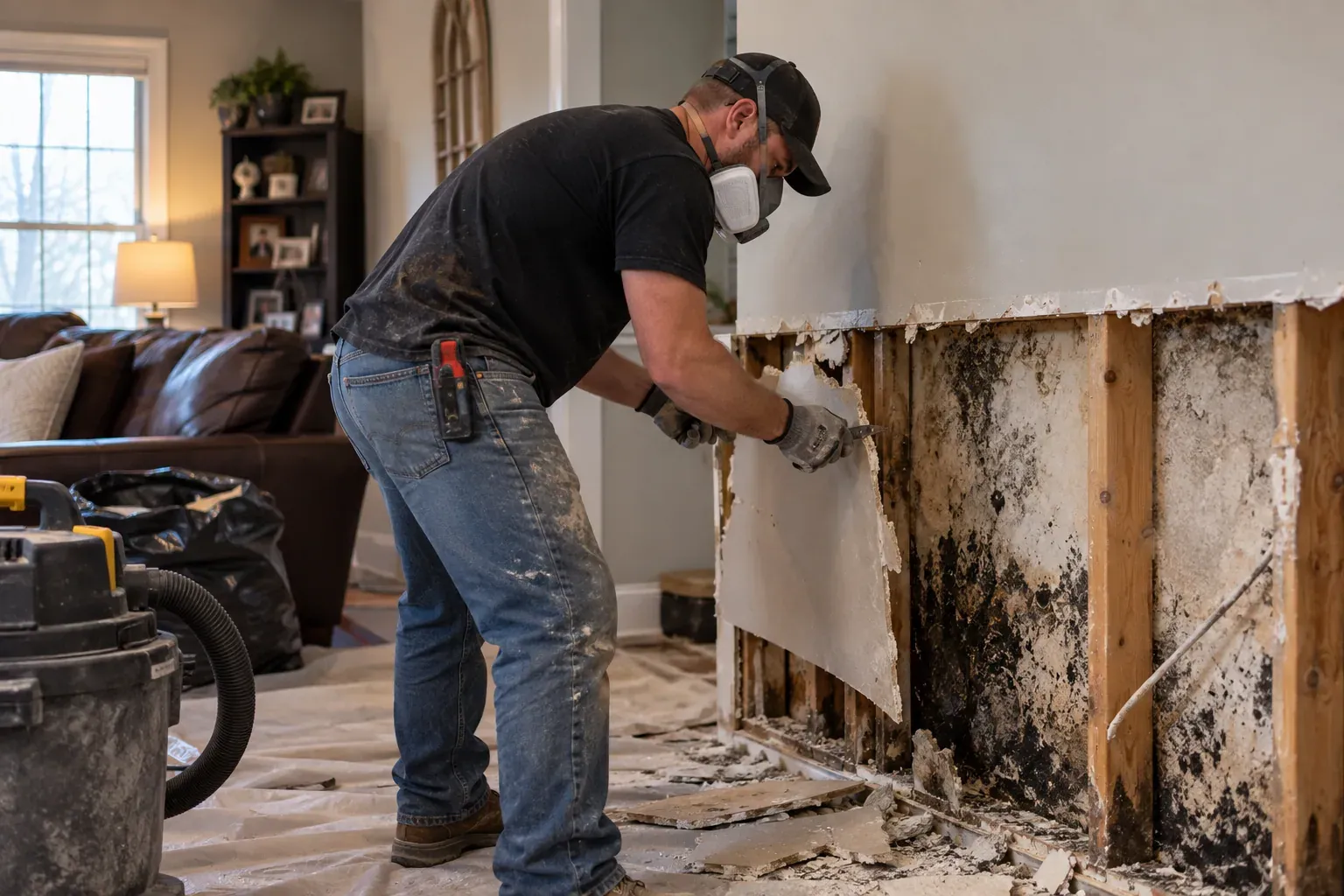
Once the scope is clear, the containment phase begins. Plastic sheeting and negative air pressure machines keep spores from spreading to other parts of the house during removal. This step is critical because disturbing mold without containment can make indoor air quality worse than it was before. After containment, the actual removal starts. Porous materials like drywall and carpet that are heavily contaminated often need to be cut out and replaced. Non-porous surfaces can be cleaned with antimicrobial solutions and then dried thoroughly. The final step is drying and monitoring. Moisture levels need to stay below a certain threshold, usually around 50 percent relative humidity, to prevent regrowth.
I remember a job in a historic home near the battlefield where the owners had been dealing with a musty smell for months. They had tried dehumidifiers and air fresheners, but nothing worked. When we opened up a wall near an old chimney, we found a slow leak from a flashing detail that had failed years earlier. The wood behind the wall was saturated, and mold had spread into the insulation. We removed the damaged materials, fixed the flashing, dried the cavity, and treated the area. The smell disappeared, and the homeowners finally had a dry, healthy space. That is the kind of result that comes from treating mold as a building science problem, not just a cleaning task.
Common Mistakes People Make
One of the biggest mistakes I see is using bleach on porous surfaces. Bleach is mostly water, so it soaks into wood and drywall, feeding the mold colony instead of killing it. The water can also cause the spores to release mycotoxins, which can be harmful to breathe. Professionals use specialized fungicides that are designed to penetrate and kill mold without adding moisture. Another mistake is ignoring small areas. A patch of mold the size of a quarter can be a sign of a much larger problem behind the surface. If you only treat what you can see, you are missing the core of the issue.
Some homeowners also think that painting over mold will solve the problem. It will not. The mold will continue to grow under the paint and eventually push through. The only way to stop it is to remove the mold and address the moisture source. Painting over mold is like covering a leaky pipe with wallpaper. It might look fine for a little while, but the damage keeps happening underneath.
Preventing Mold After Remediation
After the remediation is done, the goal is to keep the space dry. That means fixing plumbing leaks promptly, improving ventilation in bathrooms and kitchens, and making sure gutters and downspouts direct water away from the foundation. In basements, a dehumidifier can help maintain proper humidity levels. Crawl spaces should be encapsulated with a vapor barrier to keep ground moisture from rising into the living space. These steps cost relatively little compared to the price of another mold outbreak.
I often tell homeowners that the best mold remediation is the one you never need. That means being proactive about moisture control. If you see condensation on windows, a water stain on the ceiling, or a musty smell that will not go away, do not wait to investigate. Mold does not take a break. It grows 24 hours a day as long as conditions are right. The sooner you act, the easier and cheaper the fix will be.
For those who live in the Gettysburg area, finding a team that knows the local building styles and common moisture problems can make a huge difference. That is why many residents search for "mold remediation gettysburg pa" and end up contacting a company like Gettysburg PA Mold Remediation Pros. They have been handling mold issues in this area since 2012, and their experience shows in the way they approach each job. They do not just treat the symptoms. They find the cause and fix it so the problem does not return. I have seen their work, and it is thorough.
When to Call a Professional
If the affected area is larger than about ten square feet, or if the mold is behind a wall or in the HVAC system, it is time to call in a professional. The EPA recommends professional remediation for any area that size or larger. Even smaller areas can be risky if you have health concerns. A professional can test the air quality before and after the work to confirm the space is safe. They can also document the scope of the mold for insurance purposes, which can be helpful if you plan to file a claim.
Mold remediation gettysburg pa is something that residents should take seriously. The climate and the age of many homes in this area create conditions that are perfect for mold growth. But with the right approach and the right help, it is a problem that can be solved. Whether you are dealing with a small patch in the bathroom or a crawl space full of black mold, the principles are the same. Find the moisture. Remove the mold. Keep everything dry. And if you need help, do not be afraid to ask for it.
In my years of working with homeowners, I have seen the relief on their faces when a mold problem is finally gone. It is not just about the smell or the stains. It is about knowing that your home is safe and that you are breathing clean air. That peace of mind is worth the effort. And when you work with a team that knows what they are doing, like Gettysburg PA Mold Remediation Pros, you get that peace of mind with fewer headaches along the way. They understand the local conditions, and they have the tools and experience to handle mold issues of any size. If you are searching for "mold remediation gettysburg pa," you can feel confident that gettysburgpamoldremediationpros mold remediation gettysburg pa is a phrase that points to real expertise. They have been doing this work for over a decade, and their reputation in the community speaks for itself.
Mold does not have to take over your home. With prompt action and the right help, you can stop it, remove it, and keep it from coming back. The key is to treat it seriously from the start. Do not wait. Do not cut corners. And when in doubt, call someone who has done it before. That is the simplest advice I can give, and it is the advice that works every time.
Follow Gettysburg PA Mold Remediation Pros on
 LinkedIn
 Facebook
 YouTube
 Pinterest